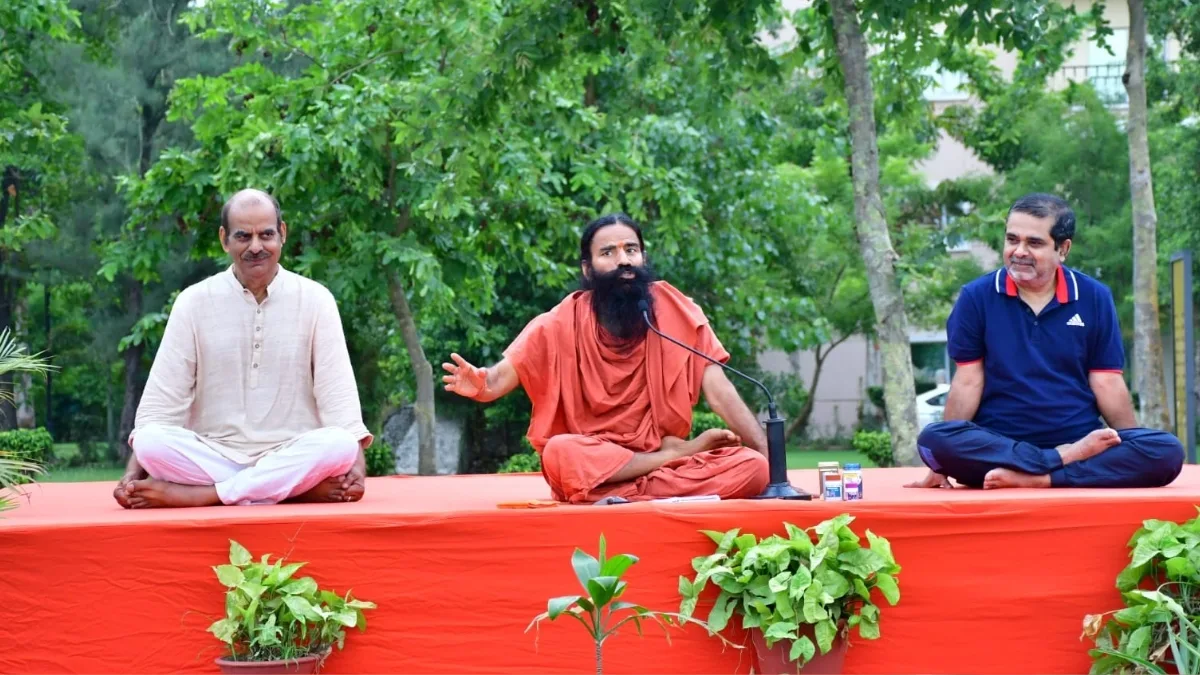
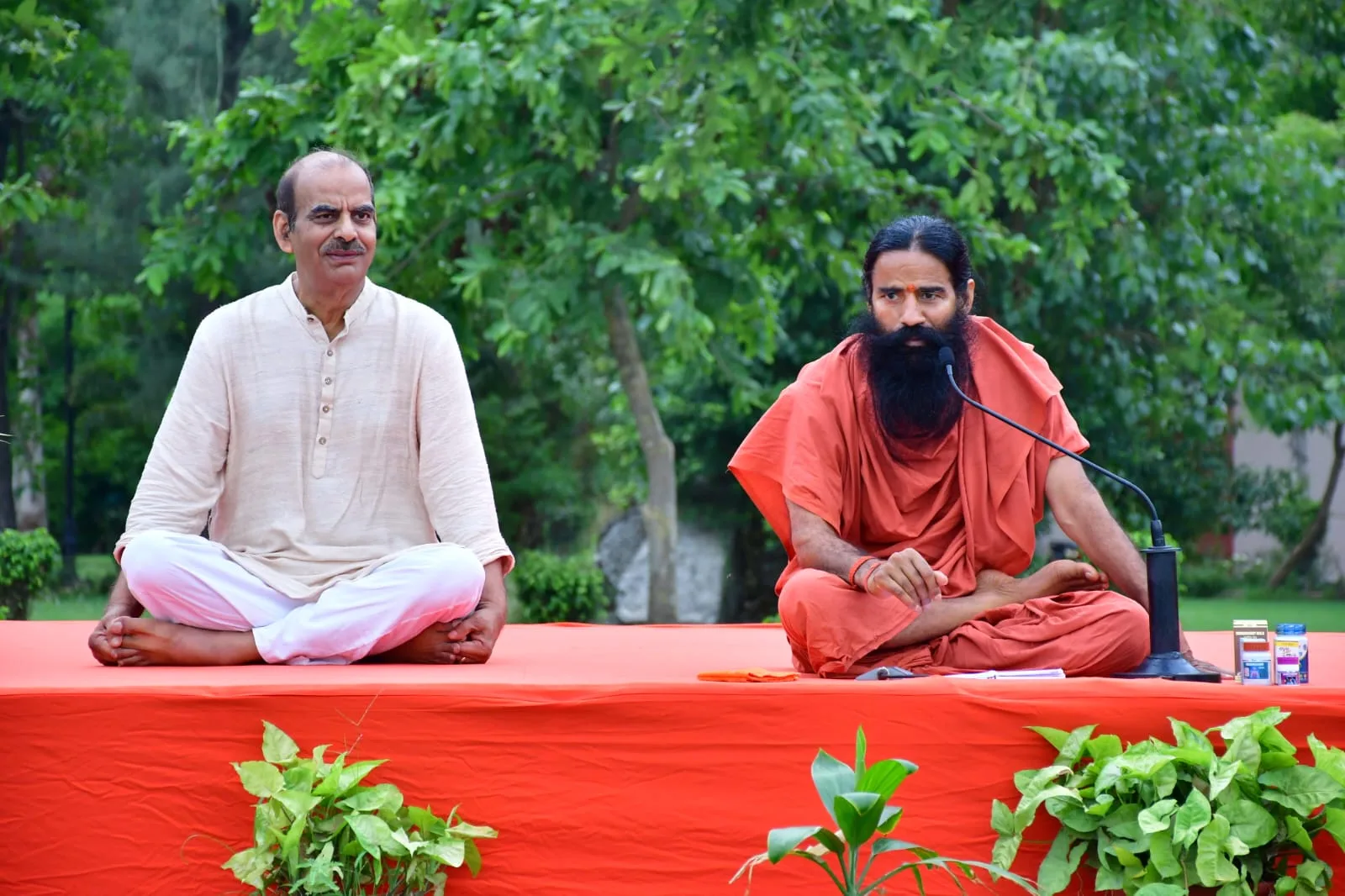
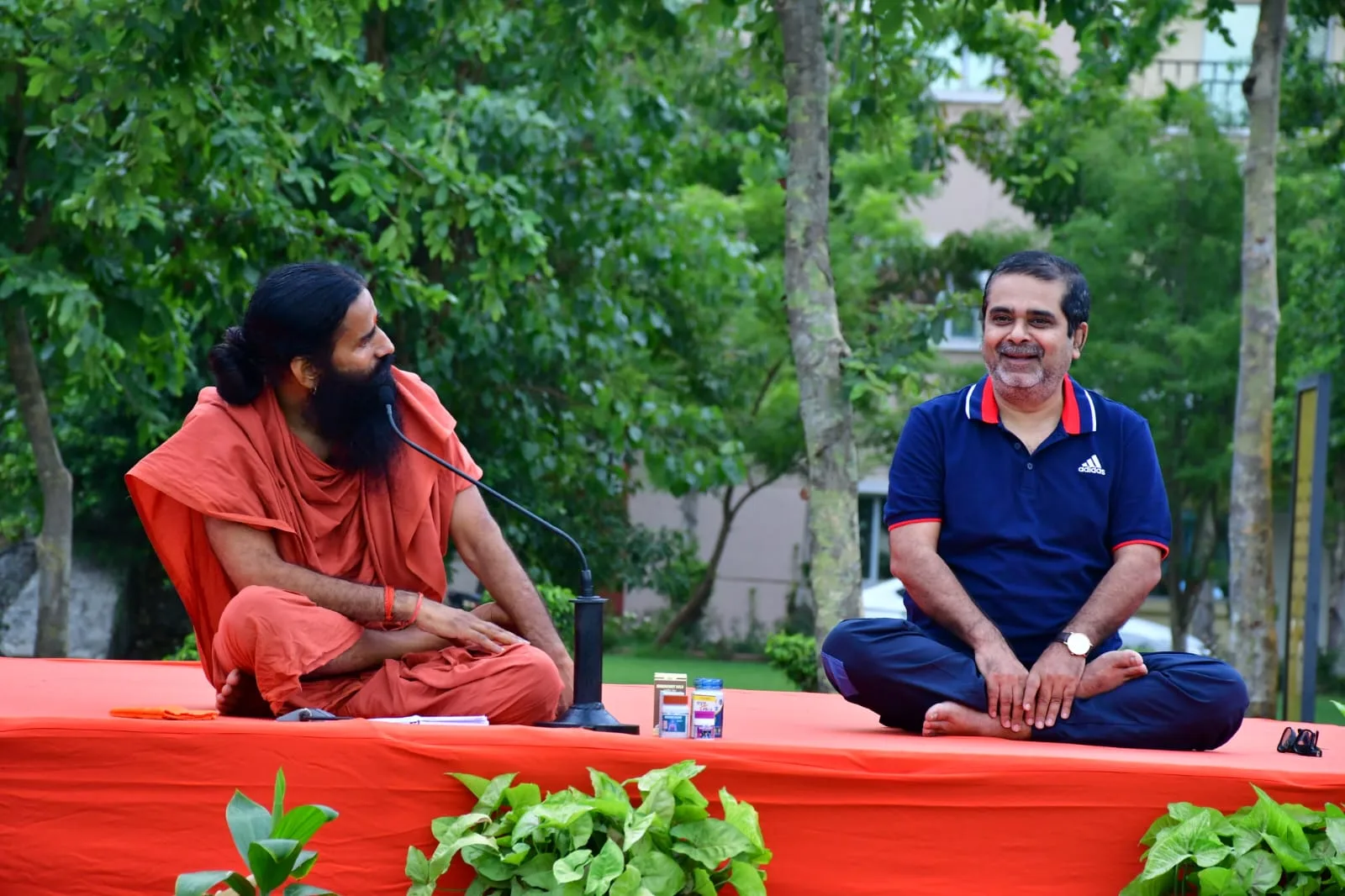
Yoga Guru Baba Ramdev’s Patanjali has formally announced the launch of the Patanjali Civil Services Academy, a revolutionary educational initiative designed to help students prepare for IAS, IPS and other Central Services examinations.
Grounded in Indian values, modern science, and a spirit of national service, the Patanjali Civil Services Academy aims to transform the administrative landscape of India by blending ancient wisdom with contemporary governance requirements.
Advertisement
The academy has set the target of producing at least one crore citizens who are dedicated to the service of “Bharat Mata,” starting with an elite cadre of civil servants who will lead the nation toward becoming prosperous and empowered.
Advertisement
Speaking on the ocassion, Baba Ramdev emphasised on building National Character through “Virasat and Vigyan”.
He characterised the academy as a “historical and era-defining contribution” to education, asserting that India is governed by the Constitution, the execution of laws depends entirely on the character of the officers.
“Education is the greatest constructive work in the world because it builds the mind, character, and leadership,” Ramdev stated.
He explained that the academy follows a “Tri-Education” model– a trinity of knowledge represented by spiritual wisdom, administrative excellence, and academic rigor–comparable to the union of the Rig, Yajur, and Sama Vedas.
The curriculum aligns with the New Education Policy (NEP) and the Indian Knowledge System (IKS), focusing on “Virasat and Vigyan” (Heritage and Science) and “Bodhi and Shodh” (Vision and Research).
Swami Ramdev also highlighted the integration of Yoga and Pranayama to build the “Atma Bal” (soul force) and “Mano Bal” (mental strength) necessary for high-stakes governance.
Dr. N.P. Singh, a former IAS officer currently working for the organic transformation of education across India, elaborated on Swami Ramdev’s vision and emphasised the need to decolonise the administrative mindset.
Dr. Singh stressed on the need for a paradigm shift in Indian administration.
He argued that the current bureaucratic structure often suffers from a “colonial consciousness” inherited from the 1835 education system, which was designed to “rule and regulate” rather than serve.
“We must move from a mindset of ‘ruler’ to one of ‘trustee’,” Dr. Singh remarked.
He noted that the academy seeks to instill the “Constitutional Spirit” and Indian traditions like the Shukra Niti, where officials view themselves not as masters, but as duty-bound servants of the public.
This approach, he added, aims to eliminate personal ego and wealth accumulation, replacing them with empathy and a commitment to societal welfare. The academy will be led by renowned educator
Awadh Ojha, whome Swami Ramdev described as the “pioneer” of the mission with a distinguished legacy of mentoring over 1,000 IAS and IPS officers during the past 25 years, will conduct an intensive one-month opening session focusing on History and Motivation.
Expressing his lifelong commitment to this initiative, Ojha affirmed his dedication to Patanjali’s vision of producing officers who are not only intellectually sharp but also physically and mentally resilient.
He stated that the academy’s primary goal is “opening the Vivek” (awakening wisdom) rather than merely cramming information into students.
“We want to develop the thinking capacity of aspirants and their ability to understand interdisciplinary connections,” Ojha explained.
He emphasised a “common sense” intellectual approach to handling administrative challenges and a focus on “to-the-point” communication.
Ojha further highlighted that the academy would align with the best teachers from Delhi and other education hubs to ensure top-tier preparation.
To support Baba Ramdev’s vision, the academy will also introduce additional courses and career counselling services, enabling students to explore a wide range of professional opportunities and make informed career choices aligned with their strengths and aspirations.
The Patanjali Civil Service Academy offers a complete residential program within a “sattvic” (pure) environment.
Students will begin their day with yoga and prayer, followed by “Akhand Purusharth” (intense and continuous hard work) throughout the day and will complete the day with a small prayer.
The academy also announced scholarships for talented students and special rewards for those who achieve top rankings in national exams.
Based at Patanjali University, the academy provides world-class infrastructure, including international-standard sports facilities, to support the holistic development of India’s future leaders.
It is dedicated to producing officers who are physically strong, mentally sharp, and spiritually grounded.
Several dignitaries, including Sadhvi Devpriya, Dean, Patanjali University, Haridwar; Mayank Agarwal, Pro Vice-Chancellor, Patanjali University; and Saxena, Registrar, Patanjali University were also present at the occasion.
In this fiercely contested event, India's 122-member team demonstrated unprecedented excellence by securing a total of 114 medals, comprising 102 gold, nine silver, and three bronze medals.
The collaboration is aimed at fostering academic, scientific, and research cooperation between the two institutions, besides facilitating the exchange of knowledge and resources.
The conclave brought together Nobel Peace Prize laureates, policymakers, industry leaders, spiritual leaders, and global thinkers to deliberate on peace, human welfare, and sustainable progress.